

Dental veneers have become one of the most popular and effective cosmetic dentistry treatments for patients seeking to enhance their smile with natural-looking, long-lasting results. Designed to improve the appearance of teeth affected by discolouration, uneven shape, chips, gaps, or minor alignment issues, veneers offer a versatile solution that balances aesthetics with function. As dental technology and materials have advanced, veneers are now thinner, stronger, and more lifelike than ever before, allowing dentists to achieve refined results with conservative tooth preparation.
Veneers are suitable for individuals who are unhappy with the appearance of their smile but have generally healthy teeth and gums. They are particularly popular among patients who want noticeable cosmetic improvement without undergoing lengthy orthodontic treatment or invasive restorative procedures. Whether the goal is a subtle enhancement or a full smile transformation, veneers can be tailored to suit individual facial features, tooth proportions, and lifestyle needs.
Despite their popularity, patients often have understandable concerns. Common questions include the cost of dental veneers, whether veneers are safe for natural teeth, how realistic they look, and how long they last. Others worry about tooth sensitivity, durability, or whether veneers will appear artificial over time. These concerns highlight the importance of choosing an experienced cosmetic dentist and receiving personalised treatment planning.
At Today’s Dental Edgecliff, dental veneers are approached with precision, transparency, and patient-centred care. As a trusted cosmetic dentistry provider in Australia, the clinic focuses on customised smile design, advanced materials, and long-term oral health. This comprehensive guide explains everything you need to know about dental veneers for teeth, helping you make an informed and confident decision.
What Are Dental Veneers?
Understanding Teeth Veneers
Teeth veneers are like covers that go on the front of your natural teeth. They help make your teeth look better by changing the color, shape, size, and how they line up. When they are put on teeth, veneers become a part of your smile that stays there forever. They are made to look and feel like the enamel on your teeth. Teeth veneers are really good at making your smile look great.
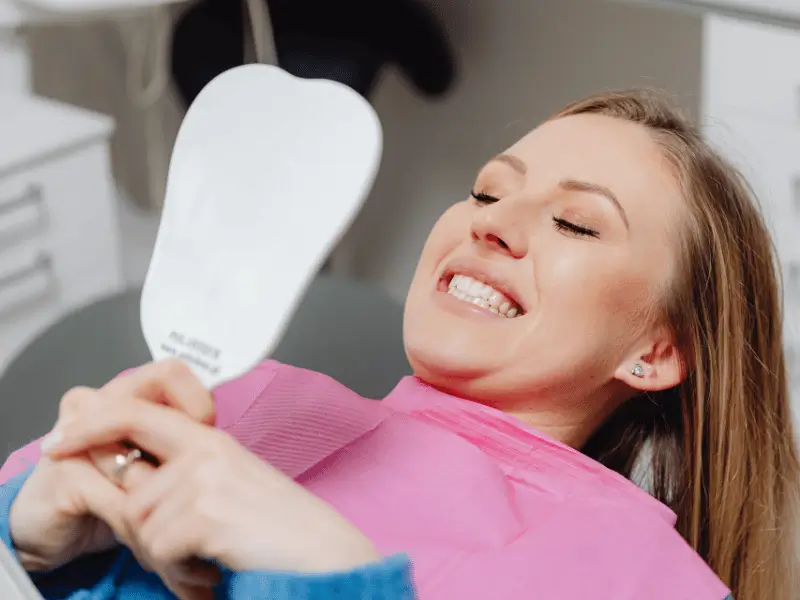
The purpose of dental veneers for teeth is not to replace teeth, but to enhance and protect existing ones. Veneers can mask stubborn stains that do not respond to whitening, smooth irregular edges, restore worn teeth, and create a more uniform smile. Because veneers are individually crafted, they allow precise control over aesthetics, ensuring results that complement facial features rather than appearing artificial.
Types of Dental Veneers
There are several kinds of veneers you can get. Each type of veneer has different properties, and it really depends on what you want your teeth to look like, how much money you want to spend, and if you want your teeth to be healthy. Veneers are an option for people who want to improve their smile. The type of veneer that is best for you will depend on your goals, your budget, and your clinical needs.
Porcelain Veneers
Porcelain veneers are really good at lasting a long time. They do not stain easily. They look very natural. Porcelain veneers have a look to real teeth because they let light through and shine like natural enamel. Porcelain veneers are a choice for people who want a nice smile that will last.
Composite Resin Veneers
Composite veneers are made from a tooth-coloured resin. This resin is applied to the surface of the tooth. Composite veneers are an option for people who want to fix their teeth. They are usually done in visits to the dentist. However, composite veneers need to be taken care of often over time.
Laminate Veneers Teeth
Laminate veneer teeth are really pieces of porcelain that do not need a lot of the tooth enamel to be removed. This is for people who want their teeth to look better but also want to keep their natural teeth protected. Laminate veneer teeth are a good choice because they are designed to be gentle on the teeth.
How Dental Veneers Work
The process of getting veneers starts with talking to the dentist and looking at your smile. They will take a look at your teeth and make some small changes to them so the veneer can fit. This means they will remove a bit of the enamel from your teeth. Then they will make a mold. Take a digital picture of your teeth. This is used to make the veneers, which are made to look like the shape and color of your teeth that you want.
Once ready, veneers are bonded using advanced dental adhesives. With proper care, veneers are highly durable and can maintain their appearance for many years.
Dental Veneers for Teeth Shape & Smile Design
Correcting Uneven, Small, or Misshapen Teeth
Dental veneers for teeth shape are highly effective in improving smile design. They allow dentists to correct uneven edges, lengthen worn or short teeth, and improve overall symmetry. Veneers can also close small gaps and adjust tooth proportions, creating a balanced and harmonious smile.
Veneers are often used to:
• Balance tooth proportions
• Enhance smile symmetry
• Close small gaps
• Create a more youthful appearance
By custom-designing each veneer, dentists can align the smile with facial features, lip movement, and natural tooth contours.
Veneers vs Orthodontics for Shape Correction
In some cases, veneers provide a faster alternative to orthodontics for minor alignment concerns. Orthodontics focuses on repositioning teeth for functional correction, while veneers address cosmetic imperfections.
Veneers may be preferable when:
• Alignment issues are mild
• The primary goal is cosmetic enhancement
• Patients want quicker results
However, orthodontic treatment remains essential for correcting bite problems and significant misalignment.
Dental Veneers for Missing Teeth: Are They an Option?
Can Veneers Replace Missing Teeth?
Dental veneers for missing teeth are not a viable solution on their own. Veneers are really good for fixing teeth that’re not perfect. They are like a cover that the dentist puts on your teeth. The thing is, veneers are not really meant to replace missing teeth. Veneers are usually used to make your teeth look better like if they are yellow or if they are not straight. If you have missing teeth, the dentist will probably suggest something, like a bridge or an implant, to replace the missing teeth.
When teeth are missing, alternative restorative treatment must be performed to restore ‘form and function’. The most appropriate ways to restore both appearance and functionality when a tooth is missing include:
• Dental Implants, which are a fixed, long-term solution. An implant replaces both the root and crown of the missing tooth.
• Dental Bridges, in which a replacement tooth attaches itself to neighbouring teeth through crowns and restores smile continuity.
Before deciding on the best treatment plan, a dentist will look at several criteria, such as: Oral Health, Bone Structure, Bite Alignment, and Functional Needs.
When Veneers Are Used Alongside Other Treatments
Even though Veneers are not used to replace missing teeth, they are often used in conjunction with other restorative treatments when creating a full “smile makeover.” Veneers combined with either Implants or Crowns will create a complete smile, while still allowing the Veneers to match the teeth they attach to.
Are Dental Veneers Bad for Your Teeth?
Does Getting Veneers Damage Natural Teeth?
Many patients interested in cosmetic dental work are concerned about whether dental veneers are bad for your teeth? When placing dental veneers, a small amount of tooth enamel must first be removed for a proper fit and a natural-looking smile; however, this is an irreversible procedure. Modern approaches to cosmetic dentistry place great importance on using the least invasive techniques so that as much natural tooth structure as possible is preserved. Using proper planning and advanced materials, enamel reduction is kept to the absolute minimum required for long-term success.
Typically, laminate veneers and minimal prep veneers will require a considerably smaller amount of enamel being removed than conventional veneers. Occasionally, just reshaping the surface of the tooth is required for the finish to be completed, which helps to maintain the strength of the tooth while providing excellent cosmetic results. Dental veneers, when properly designed and placed on a tooth, will not affect the strength of healthy teeth, and in some cases, will provide a degree of surface protection.
The following are the additional anticipated considerations for veneers:
• temporary tooth sensitivity after placing your veneers
• Veneers may likely show signs of “wear and tear” over time
• Excessive force may potentially cause your veneer to chip.
With proper oral hygiene, regular dental check-ups, and sensible habits, these risks will be minimal.
How a Skilled Dentist Minimises Risks
An experienced cosmetic dentist will perform a full evaluation of your mouth and will create a veneer that fits your tooth appropriately. This personalised care will preserve your natural teeth and minimize complications, and provide long-lasting durability and comfort.
What Do Teeth Look Like Under Veneers?
Before Veneers Are Placed
Cosmetic problems may exist in the natural teeth before dental veneers can be put on: The natural tooth appears stained or discoloured. There are chips or uneven/worn edges or there may be small cracks or gaps between teeth. These conditions often prompt patients to seek veneer treatment. The dentist will take an extensive look at the condition of the teeth, evaluating the thickness of the enamel and reviewing the general health of the mouth during the first dental appointment. This evaluation will help to determine if veneers are possible, as well as develop a final result that appears naturally occurring and complements the patient’s smile.

After Tooth Preparation
Once tooth preparation is completed, teeth generally become smaller, smoother, and more consistent in size. This is caused by the light temporary reshaping of the thin layer of enamel as it is prepared for placement of the veneers to be fitted closely to the adjacent teeth. Temporary veneers are commonly placed at this time to help protect the prepared tooth surface and to minimize sensitivity. In addition, temporary veneers provide patients with a means to maintain their normal appearance and functionality until the custom-made permanent veneers arrive.
Final Results vs Natural Teeth
Once bonded, veneers are virtually indistinguishable from natural teeth. They are designed to replicate the colour, translucency, and texture of enamel, providing a natural look, comfortable feel, and normal function when smiling, speaking, and eating.
Teeth Veneers Before and After: What Results Can You Expect?
Common Smile Concerns Veneers Fix
Teeth veneers before and after results show that the majority of patients will see substantial gains in aesthetics after receiving teeth veneers. Teeth veneers cover unsightly or deep-stained teeth that cannot be whitened by whitening treatments. In addition to concealing unsightly blemishes, they will also restore chips and cracks to a smooth tooth edge and correct tooth shape. Another benefit of using veneers is that they can provide visual alignment correction and equal spacing of teeth, without the need for braces or other orthodontic work, providing balanced and harmonious smiles.
Realistic Expectations
While veneers can dramatically enhance aesthetics, they are a cosmetic solution and do not correct severe orthodontic problems, bite issues, or underlying structural concerns. Having realistic expectations and understanding the limitations of veneers is essential for long-term satisfaction with the results.
How Long Results Last
• Porcelain veneers: often last 10–15 years or longer with proper care
• Composite veneers: typically, last around 5–7 years and may require more maintenance
Teeth Caps vs Veneers: What’s the Difference?
What Are Dental Caps (Crowns)?
Dental crowns (caps) are used as restoration tools for teeth that have become weakened by decay, fracture or root canal treatment. The primary benefit of dental crowns is to assist in treatment by restoring strength, function, and protection to your teeth. In addition to these restorative benefits, dental crowns can also handle large amounts of biting force and preserve the remaining portion of the teeth.
Veneers vs Caps: Key Differences
Teeth caps vs veneers are different from veneers in many ways, including level of coverage, amount of tooth structure that must be removed, and both cost and longevity. Where veneers only cover the facial side of your tooth, crowns cover the entire tooth and often require significant reshaping.
Which Option Is Right for You?
Veneers are ideal for cosmetic concerns such as discolouration or shape issues, whereas crowns are better suited for teeth that are structurally compromised and require full restoration.
Clip-On Teeth Veneers: Are They Worth It?
What Are Clip-On Veneers?
Clip on teeth veneers are removable cosmetic appliances designed for temporary use.
Pros and Cons of Clip-On Veneers
Pros:
• Lower upfront cost
• Non-invasive
Cons:
• Bulky appearance
• Limited durability
• Potential oral health risks
Why Professional Veneers Are a Better Long-Term Solution
Professional veneers provide superior safety, comfort, aesthetics, and longevity.
Teeth Veneers Cost – What Influences the Price?
Factors That Affect Veneer Costs
Teeth veneers cost can vary depending on several key factors that influence both the complexity of treatment and the quality of the final result. Understanding these elements helps patients make informed decisions about their investment in cosmetic dentistry.
Teeth veneers cost depends on:
• Material used, such as porcelain or composite resin
• Number of veneers required to achieve the desired smile outcome
• Dentist expertise and level of cosmetic training
• Treatment complexity, including preparation and custom design
• Laboratory and technology costs involved in creating natural-looking veneers
Porcelain vs Composite Veneer Pricing
Porcelain veneers generally cost more upfront than composite veneers due to their advanced fabrication process and superior aesthetic qualities. However, they often offer better long-term value because of their durability, stain resistance, and longer lifespan. Composite veneers are more affordable initially but may require more maintenance or replacement over time, which can increase overall costs in the long run.
Veneer Teeth Cost in Australia
Average Cost of Dental Veneers in Australia
Veneer teeth cost in Australia can vary depending on a range of clinical and personal factors. Because veneer treatment is highly customised, exact pricing is determined during a dental consultation after assessing oral health, aesthetic goals, and treatment complexity.
Veneer costs in Australia may be influenced by:
• The type of veneer material selected
• The number of teeth requiring treatment
• The condition of existing teeth and gums
• The level of cosmetic planning involved
Are Veneers Worth the Investment?
Many patients consider dental veneers a worthwhile investment due to their ability to deliver long-lasting, natural-looking results. Benefits often include:
• Improved confidence and self-esteem
• Enhanced smile aesthetics
• Durable cosmetic outcomes that support daily lifestyle needs
Payment Plans & Financing Options
Flexible payment plans and financing options are commonly available, helping make veneer treatment more affordable and allowing patients to spread the cost over time in a manageable way.
How to Care for Teeth Veneers
Proper care is essential to maintain the appearance and longevity of dental veneers. While veneers are durable, they still require good oral hygiene and mindful habits to prevent damage and preserve their natural look.
Daily Oral Hygiene for Veneers
Maintaining excellent oral hygiene helps protect both veneers and the natural teeth underneath. Key daily care practices include:
• Brushing twice daily with a soft-bristle toothbrush
• Flossing regularly to prevent gum disease and plaque build-up
• Using a non-abrasive toothpaste to avoid scratching the veneer surface
Foods & Habits to Avoid
Certain habits can increase the risk of veneer damage. Patients are advised to:
• Avoid biting or chewing hard foods and objects
• Manage teeth grinding or clenching, often with a night guard if recommended
Regular Dental Checkups
Routine dental check-ups allow the dentist to monitor veneer condition, address early issues, and ensure long-term oral health and veneer performance.
Are You a Good Candidate for Dental Veneers?
Ideal Candidates
• healthy gums and teeth
• Cosmetic concerns
• Good oral hygiene habits
When Veneers May Not Be Suitable
• Severe decay
• Active gum disease
Why Choose Today’s Dental Edgecliff for Veneers?
Personalised Smile Design
Treatment is tailored to each patient’s smile goals and facial aesthetics.
Advanced Technology & Materials
Modern technology ensures precision and natural-looking results.
Experienced Cosmetic Dentists in Edgecliff
A patient-focused approach ensures comfort, transparency, and long-term success.
Book a Veneers Consultation at Today’s Dental Edgecliff
The dental veneer is an established and successful method for improving the appearance of smiles, increasing confidence, and producing natural-looking results that last long. Veneers can address issues associated with the colour or shade of teeth, irregular tooth shape or size, gaps between teeth, and jagged edges of teeth. The use of dental veneers, when designed and applied correctly, provides noticeable improvement in the way one’s smile appears while maintaining the health and structure of the individual’s natural teeth.
Today’s Dental Edgecliff focuses on providing one-on-one assistance, attention, and transparency through the use of advanced cosmetic dental techniques and materials, along with custom-tailored treatment plans developed to meet an individual’s requirements and lifestyle preferences. From the first consultation and smile evaluation until the completion of the final placement of your dental veneers, each step is organised for ease of use, comfort, and most importantly, safe/proper results that are refined but look natural and endure. Using dental veneers is a significant decision, so having an experienced dental professional to assist you makes all the difference.
At Today’s Dental Edgecliff, our experienced team will help you understand treatment options, expected outcomes, and estimated costs to provide you with the confidence to move forward with your treatment. If you are considering dental veneers and would like trusted and professional advice, now is the right time to begin the process.
Book your veneer consultation today and transform your smile with confidence.
FAQs
1. What are dental veneers for teeth, and who are they suitable for?
Dental veneers for teeth are thin, custom-made shells bonded to the front surface of natural teeth to improve their appearance. They are suitable for people with healthy teeth and gums who want to address cosmetic concerns such as discolouration, chips, gaps, or uneven tooth shape. Veneers are commonly chosen by patients seeking a natural-looking smile enhancement without extensive dental procedures.
2. Can dental veneers for missing teeth be used as a replacement?
No, dental veneers for missing teeth are not suitable because veneers require an existing tooth structure for support and bonding. If a tooth is missing, treatments such as dental implants or bridges are recommended instead. Veneers may still be used alongside these treatments as part of a complete smile makeover.
3. How do dental veneers for teeth shape improve smile aesthetics?
Dental veneers for teeth shape can correct uneven edges, lengthen worn teeth, close small gaps, and improve overall symmetry. They are custom-designed to balance tooth proportions and align the smile with facial features, creating a more harmonious and youthful appearance.
4. Are dental veneers bad for your teeth in the long term?
A common concern is are dental veneers are bad for your teeth, but when performed correctly, veneers are safe. They require minimal enamel removal, especially with modern options such as laminate veneer teeth. With proper planning, placement, and care, veneers do not damage healthy teeth and can last many years.
5. How much does it cost for teeth veneers, and what affects the price?
Teeth veneers cost depends on factors such as the material used, the number of veneers required, and the dentist’s expertise. Patients often ask how much it costs for teeth veneers, but exact pricing is determined during consultation. In Australia, veneer teeth cost Australia varies based on individual treatment needs rather than fixed pricing.
6. What can I expect from teeth veneers before and after results?
Teeth veneers before and after results typically show significant improvements in colour, shape, and alignment. Veneers can effectively mask stains, repair chips, and improve minor misalignment. The final outcome is designed to look natural, complement facial features, and function like real teeth.
7. What is the difference between clip-on teeth veneers and professional veneers, or teeth caps vs veneers?
Clip-on teeth veneers are removable, temporary cosmetic solutions that sit over natural teeth. While more affordable, they lack durability, comfort, and natural appearance. When comparing teeth caps vs veneers, caps (crowns) fully cover a tooth for strength and restoration, while veneers focus on cosmetic enhancement. Professional veneers provide superior aesthetics, safety, and long-term value compared to temporary options.