

Most people hear the words root canal and instantly feel uneasy. That reaction makes sense. For years, root canal stories have sounded far worse than reality. The truth is, modern dentistry has changed dramatically. Technology is more advanced, anaesthesia is highly effective, and techniques are far more precise than they once were. Most importantly, patient comfort is now a top priority.
At Today’s Dental Edgecliff, we often meet patients who walk in feeling anxious and leave saying, “That was much easier than I expected.” A modern root canal procedure is designed to relieve pain, not cause it. It removes infection, protects your natural tooth, and restores your ability to eat and smile with confidence.
If you have recently been told you need treatment, you might be wondering what is a root canal, how long does a root canal take, or how much does a root canal cost in Australia. These are important questions, and understanding the answers can ease a lot of worry.
In this guide, we break the process into 10 clear, easy-to-understand steps. Each stage explains what happens, why it matters, and how it protects your long-term oral health. The more informed you feel, the more confident you can be about saving your natural tooth with a root canal procedure.
Understanding What a Root Canal Really Is
What Is Happening Inside the Tooth
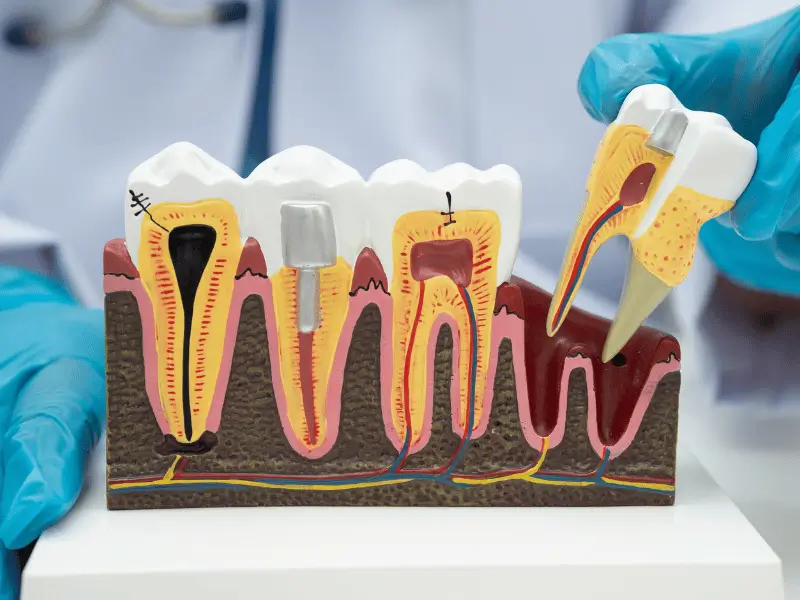
Before anything begins, it is important to clearly understand what is a root canal and why it becomes necessary. Every tooth has several layers. The hard outer layer is enamel. Beneath that is dentine. At the very centre lies the pulp, which is soft tissue containing nerves and blood vessels that helped the tooth develop when it first formed.
When bacteria enter through deep decay, cracks, trauma, or repeated dental work, they can reach this pulp. Once infected, the pulp cannot heal on its own. Unlike other parts of the body, it does not have the ability to recover once bacteria settle inside. The infection begins to spread, pressure builds, and pain often follows.
Why Infection Cannot Be Ignored
As the infection progresses to the pulp, the body recognises it as a serious infection. You may experience severe pain, sensitivity to heat or cold, swelling of the gums, or pain when chewing. Sometimes, the pain may subside, but this does not mean the infection is cleared. It is usually a sign that the nerve in the tooth has died.
If the infection is left untreated, it may progress from the tooth to the bone surrounding it. This may result in the formation of an abscess, swelling of the face, and other complications. A root canal procedure can help prevent all these.
How a Root Canal Saves Your Natural Tooth
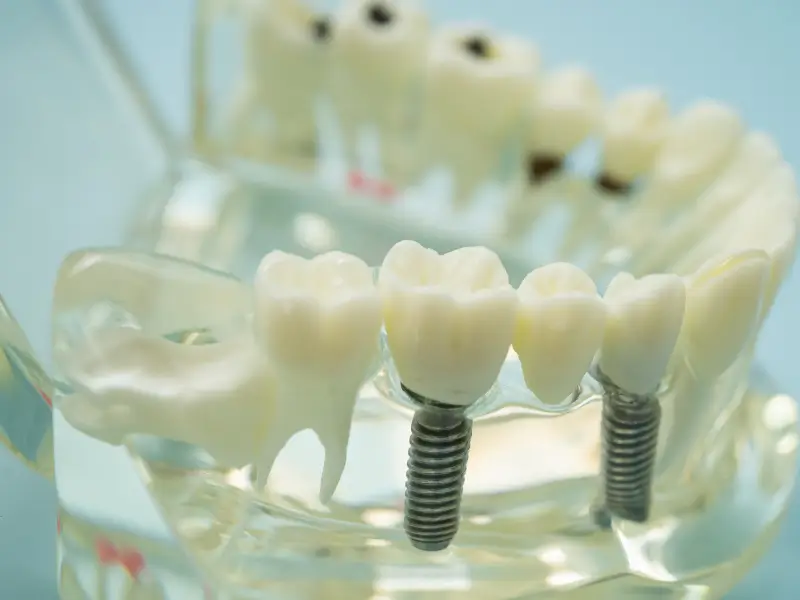
A root canal procedure involves the removal of the infected pulp tissue while preserving the surrounding structure of the tooth. The root canals are thoroughly cleaned, disinfected, and sealed. This helps in the elimination of bacteria and prevents reinfection.
Patients are often surprised to know that the purpose of a root canal procedure is pain relief. The cause of pain is the infection. Removing the infection results in the removal of pain. After a root canal procedure, the tooth can remain functional for many years.
Choosing a root canal procedure also assists in keeping your bite in place. It may seem easier to extract the tooth, but extracting a tooth can cause the surrounding teeth to shift. This can affect chewing, alignment, and even jaw function.
Protecting Your Smile and Long-Term Confidence
Preserving the tooth also keeps your smile natural. If appearance matters to you, maintaining your original tooth structure creates a strong foundation for future cosmetic improvements. Some patients who restore damaged teeth later explore options such as cosmetic veneers to enhance shape or colour. You can learn more about that here: Cosmetic Veneers.
Understanding the true purpose of treatment removes much of the fear. A root canal is not something done to harm the tooth. It is a carefully designed procedure performed to save it, relieve pain, and protect your long-term oral health.
Comprehensive Examination and Diagnosis
Why Accurate Diagnosis Matters Before a Root Canal Procedure
The next step in a modern root canal procedure is careful and thorough diagnosis. There are no rushed decisions and no guessing. Before any treatment begins, your dentist needs a complete understanding of what is happening inside the tooth and the surrounding bone.
At Today’s Dental Edgecliff, we start with a detailed clinical examination. We listen carefully to your symptoms. Are you feeling sharp pain when biting? Is there lingering sensitivity to heat or cold? Has swelling appeared around the gum? These signs give us a clue about whether the pulp is infected and whether a root canal is required.
Diagnosis is the key to successful treatment. A proper diagnosis will give you more comfort, better results, and make sure you get only the treatment you need.
Digital Imaging and Tooth Assessment
Modern dentistry relies heavily on advanced imaging. Digital X-rays provide high-resolution images of the internal tooth structure. These images show the depth of decay, the number of root canals inside the tooth, and whether infection has spread beyond the root tip into the surrounding bone.
Every tooth is different. Front teeth often have a single canal. Molars may have three or four canals, sometimes even more. This anatomical variation directly influences how complex the root canal procedure will be.
It also affects how long does a root canal take. A simple front tooth can often be treated more quickly than a molar with multiple curved canals. The complexity may also influence the overall root canal cost, as more intricate cases require additional time and precision.
Digital imaging removes uncertainty. It allows us to plan the procedure carefully rather than discovering complications mid-treatment. This level of preparation leads to smoother appointments and better long-term results.
Personalised Planning and Comfort Considerations
Diagnosis is not just about the tooth. It is about you as well. During this appointment, we review your medical history, medications, and any health conditions that may influence treatment. We also talk about your comfort preferences.
Some patients feel completely at ease in the dental chair. Others feel anxious even before sitting down. We take this seriously. Understanding your comfort level allows us to tailor the experience accordingly.
If swelling or severe infection is present, antibiotics may be prescribed before starting the root canal procedure. This helps reduce inflammation and improve comfort during treatment. If the infection is contained and manageable, treatment can proceed without delay.
This stage is also when we discuss timing. Many patients ask how long does a root canal take and whether it will require one or two visits. The answer depends on the specific tooth and infection severity, which we can determine during this assessment.
Transparent Discussion About Root Canal Cost
Another essential part of diagnosis is financial clarity. Patients naturally want to know how much does a root canal cost. In Australia, fees vary depending on which tooth is being treated and how complex the case is.
Front teeth are generally less complex and may cost less than molars with multiple canals. Additional factors such as the need for a crown after treatment, can also influence total root canal cost.
We believe that being open and honest helps to build trust. During this consultation, you will be given a full explanation of all the costs involved before you decide to go ahead with treatment. There are no surprises along the way.
A diagnosis is more than just a technical process. It is a conversation. We will answer your questions, discuss your choices, and make sure that you understand what is happening every step of the way. When you leave this appointment, you should feel informed and confident, not coerced.
This helps to make the rest of your root canal treatment much easier.
Preparing for Comfort with Modern Anaesthesia
Removing the Fear Around a Root Canal Procedure
One of the main fears patients have is the pain associated with a root canal procedure. Many patients are afraid of the pain based on the past outdated information. However, the reality is that dentistry has come a long way, and patient comfort is at the forefront of our minds from the time you sit in the chair.
The reality is that a root canal procedure is meant to eliminate pain, not create it. The pain you may be experiencing before the procedure is due to infection and inflammation within the tooth. Once that infection is properly taken care of, the pain is usually relieved shortly thereafter.
How Local Anaesthetic Works
Before treatment starts, a local anaesthetic is carefully administered to numb the area completely. Most patients describe the injection as a small pinch followed by a warm sensation as numbness spreads. Within minutes, the tooth and surrounding tissue become fully numb.
After the numbness, you should not experience any pain during the root canal procedure. You can feel some pressure or movement, but sharp pain should not be felt. If you feel something unusual, it can be adjusted immediately.
With the latest techniques in anaesthetics, the procedure can be done comfortably and efficiently. Many patients are surprised at how comfortable the experience is compared to what they thought it would be.
Extra Comfort Options for Anxious Patients
If you are particularly nervous about your root canal, there are other methods that can be used to make you more at ease. These may include the use of a topical anesthetic gel before the injection to ease pain, sedation to calm your nerves, or other relaxation techniques that may be helpful for you.
You will be awake but relaxed. Many patients have reported that the procedure is no different than having a regular filling.
Patients often wonder how long does a root canal takes, once it actually starts. Most procedures take between 60 to 90 minutes, but more complex molars may take longer or even two visits. Feeling comfortable during this time makes all the difference in the procedure and experience.
Comfort Supports Precision and Long-Term Success
This comfort stage is about more than relaxation. When you feel calm and pain-free, you are able to remain still during treatment. This allows your dentist to work with greater precision.
Precision ensures the protection of the tooth structure and enhances the success rate of the root canal treatment. By the time actual treatment commences, you should be relaxed, educated, and comfortable with the entire process.
Modern anaesthesia has made it possible to make root canal treatment a simple procedure, which was feared by patients in the past.
Accessing the Infected Pulp
Establishing a Precise Entry Point
After the tooth is fully anaesthetised, the next step of the root canal procedure is initiated. A precise entry point is established on the top surface of the tooth. This entry point will allow access to the pulp chamber, where the infection is present.
While this step of the procedure may seem daunting, it is actually much more conservative than most people realize. The objective is not to remove significant amounts of tooth structure. Rather, only the decayed portion of the tooth necessary to access the infected pulp is removed.
This precision is one of the reasons why a contemporary root canal is considered both safe and highly predictable.
Removing the Source of Infection
With magnification and dental tools, the dentist extracts the infected pulp tissue inside the tooth. This part of the process is systematic and controlled. The infected tissue is carefully extracted, which creates space for cleaning inside the canals in the next step.
This is where relief begins for many patients. The pressure inside the tooth, which causes throbbing pain, will begin to subside as soon as the infected pulp tissue is extracted. Although you are numb during the entire root canal procedure, knowing that the source of infection is being eliminated may be comforting.
It is essential to remember that pain prior to treatment is a result of infection and inflammation. As soon as the infected tissue is extracted, the tooth starts its healing process.
Preserving Healthy Tooth Structure
The priority during this stage is preservation. Healthy enamel and dentine are kept intact wherever possible. A conservative approach strengthens the long term success of the root canal by maintaining the tooth’s natural foundation.
Excessive removal of tooth structure can weaken the tooth, so modern dentistry emphasises careful planning and minimal intervention. By preserving healthy tissue, we improve the stability of the final restoration, often a crown, that will later protect the tooth.
Access preparation also reveals the internal anatomy of the tooth. Each tooth is slightly different. Some have straight canals, while others may curve or branch. Identifying these variations early is essential for thorough treatment.
Precision Leads to High Success Rates
Experience matters greatly at this stage. Thorough access ensures that no infected tissue remains hidden within the canals. If any infected pulp is left behind, it can compromise the outcome of the root canal procedure.
Today’s approach focuses on precision rather than aggressive removal. Advanced instruments, magnification, and careful technique all contribute to high success rates. By combining accuracy with preservation, modern root canal treatment provides reliable, long-lasting results while protecting your natural tooth.
Cleaning and Shaping the Root Canals
Why This Step Is Crucial for a Root Canal Procedure
After accessing the infected pulp, the next critical stage of a root canal procedure is cleaning and shaping the canals. This step directly determines the long-term success of treatment. Removing all infected tissue and properly shaping the canals ensures that the tooth can be thoroughly disinfected and sealed. Without meticulous cleaning, bacteria can remain hidden, increasing the risk of reinfection.
Many patients wonder why this stage takes so long. The answer is precision. Every tooth has a unique internal structure. Molars, in particular, can have multiple curved or narrow canals that require careful attention. Rushing this step can compromise the outcome and the longevity of your tooth.
Mechanical Cleaning with Specialised Instruments
Tiny rotary instruments are used to gently clean the inside of each canal. These tools remove the remaining pulp tissue and shape the canal walls for proper disinfection. The instruments are precise, flexible, and designed to follow the natural curves of each canal, which helps prevent damage to the tooth structure.
During this process, your dentist monitors progress carefully, ensuring that every canal is addressed. Proper mechanical cleaning is essential because it physically removes the infected tissue, creating the space needed for thorough chemical disinfection.
Chemical Disinfection for Complete Cleaning
Cleaning is not just mechanical. Antibacterial solutions are flushed through the canals repeatedly. This irrigation removes debris, kills bacteria, and reaches areas that instruments alone cannot touch.
Patients often ask how dentists clean and seal the tooth during the procedure. The answer is a combination of mechanical and chemical methods. Together, they ensure that the canals are free from bacteria and prepared to receive the filling material that will seal the tooth.
Preparing for Sealing and Long-Term Success
By the end of this stage, the canals are completely free of infected tissue and properly shaped. This careful preparation is the foundation for the next step: sealing the tooth. Proper cleaning reduces the risk of reinfection and ensures that the root canal procedure provides long lasting results.
Meticulous attention at this stage supports both the health and strength of the treated tooth. Patients often feel reassured knowing that the source of infection has been removed and the tooth is being restored carefully. This step highlights how modern root canal techniques combine precision, safety, and effectiveness to protect your natural tooth for years to come.
Disinfecting and Sealing the Tooth
Ensuring Canals Are Clean and Dry
After cleaning and shaping, the canals are carefully dried. Moisture control is essential at this stage of a root canal procedure. Any leftover fluid could compromise the seal and increase the risk of bacteria returning. Drying the canals thoroughly prepares them for the filling material that will permanently protect the tooth.
Filling with Gutta Percha
Once the canals are dry, a biocompatible material called gutta-percha is placed inside. This rubber-like material fills the canals completely, conforming to their unique shapes. Filling the canals fully is essential because it prevents empty spaces where bacteria could potentially survive, which is a common cause of reinfection in untreated teeth.
Sealing for Long-Term Protection
After the gutta-percha is in place, a dental adhesive is applied to seal the canals tightly. This step is crucial in a root canal procedure because it ensures bacteria cannot re-enter the cleaned space. A secure seal transforms the previously infected tooth into a stable and functional structure. Depending on the treatment plan, the access opening may be restored temporarily or permanently at this stage.
Patient Comfort and Confidence
Many patients are surprised at how comfortable they feel once the canals are sealed. The pressure and pain from infection are gone, and the tooth is now protected from future bacterial invasion. Proper disinfection and sealing form the foundation for the next steps, including restoration with a crown if needed. This stage highlights the effectiveness of modern root canal techniques, combining precision, safety, and comfort to preserve your natural tooth for years to come.
Restoring Strength with a Crown
Why a Crown Is Needed After a Root Canal
Most teeth that undergo a root canal procedure will eventually need a crown. Removing the pulp, while essential for eliminating infection, can make a tooth more brittle over time. Without reinforcement, the tooth may be prone to cracking or breaking, especially when chewing harder foods. A crown provides the strength and protection necessary to preserve the tooth for years to come.
How a Crown Protects Your Tooth
A crown covers the entire tooth, encasing it in a strong, durable material that restores both function and stability. With a crown in place, you can chew normally without worrying about fracture or damage. The crown acts as a protective shield, supporting the remaining natural tooth structure and preventing future complications. This step is particularly important for molars and premolars, which endure the most chewing pressure.
Enhancing Aesthetics with Modern Crowns
Crowns today are designed not only for strength but also for aesthetics. Modern crowns are colour-matched to blend seamlessly with your natural teeth, maintaining a healthy and attractive smile. For patients interested in further cosmetic improvements, restorative work can be complemented with treatments like cosmetic veneers. These enhancements can refine tooth shape, size, and colour, creating a balanced and beautiful smile. You can learn more about cosmetic veneers here: Cosmetic Veneers.
Protecting Your Investment
Restoration is not optional for most back teeth. The crown protects the investment you made in saving the natural tooth through a root canal procedure. Without a crown, the treated tooth is more vulnerable to damage, which could require further procedures in the future. Placing a crown ensures the long-term success of the root canal, preserves your bite, and maintains both function and appearance.
By combining strength, protection, and aesthetics, a crown completes the root canal procedure, turning a previously compromised tooth into a functional and natural-looking part of your smile. With proper care, this restoration can last many years, supporting your oral health and confidence.
Understanding Root Canal Cost in Australia
Factors That Influence Root Canal Cost
The cost of a root canal can vary widely depending on several important factors. One of the main considerations is which tooth requires treatment. Front teeth generally cost less because they usually have a single canal, making the procedure simpler and quicker. Molars, on the other hand, often have multiple canals, which increases both the complexity and the time required.
Other factors influencing root canal cost include the severity of the infection, the presence of swelling or abscesses, and the need for additional procedures such as a crown. Complex cases that require more precision, additional materials, or multiple visits can naturally increase the overall expense.
How Australian Prices Vary
Patients often ask, “How much does a root canal cost in Australia?” Prices differ between clinics and regions, reflecting differences in experience, equipment, and materials. While cost is an important consideration, quality should never be compromised for price alone. Investing in a skilled dentist and modern technology ensures better outcomes, reduces the risk of complications, and protects your natural tooth for the long term.
Comparing Root Canal Cost to Other Options
In terms of cost, it is helpful to compare root canal cost to other options such as tooth extraction and implant placement. Although tooth extraction appears to be less costly at first, the cost of replacing the missing tooth with an implant or bridge may be substantially higher. It is, therefore, more cost-effective in the long run to preserve your natural tooth through a root canal procedure.
Transparent Cost Planning
At Today’s Dental Edgecliff, we also believe in the importance of transparency. Before the treatment process starts, we give our patients a clear outline of all the costs involved so that there are no surprises along the way. Patients can, therefore, make informed decisions based on what they know. Spending money on quality treatment will also ensure that there are fewer chances of retreatment, which will save time, money, and discomfort in the long run.
The factors that affect root canal cost can also help patients understand the value of professional treatment.
Recovery and Healing
How Long Does It Take to Recover from a Root Canal
“How long does it take to recover from a root canal?” is a common question from patients. Fortunately, most only experience mild discomfort or sensitivity for a short period of time after the procedure. Over-the-counter medication is all that is needed to alleviate any pain. Swelling is rare but can be treated immediately if it does occur.
It is essential not to chew on the side of the tooth that has been treated until the final restoration, usually a crown, is in place. This will help protect the tooth until it has fully fixed.
Healing Inside the Tooth and Bone
Although the outside pain will subside within a short period of time, healing inside the tooth and bone can take a few weeks. During this period, your body is working to heal and fortify the area.
Longevity of a Tooth After a Root Canal Procedure
Patients often ask, “How long does a tooth last after a root canal?” With proper care and a crown, a treated tooth can last decades. Maintaining good oral hygiene and attending regular dental check-ups are essential to ensure long-term success. A stable tooth prevents bite shifts and supports the overall health of surrounding teeth.
Supporting Long-Term Oral Health and Aesthetics
Recovery is also about protecting your smile. Healthy surrounding teeth make it easier to explore future cosmetic enhancements if desired. For example, treatments like cosmetic veneers can complement restorative work and enhance the appearance of your smile. You can learn more about these options here: Today’s Dental.
Following proper recovery instructions ensures your root canal procedure not only resolves pain and infection but also maintains the strength, function, and appearance of your tooth for years to come.
Root Canal vs Extraction and Long-Term Benefits
Why a Root Canal Is Often the Better Choice
Many patients ask, “Is a root canal better than tooth extraction?” In most cases, the answer is yes. A root canal procedure removes infection while preserving your natural tooth. This maintains your tooth’s structure, strength, and function, which is crucial for long-term oral health.
Extraction, by contrast, removes the tooth entirely. While it may seem simpler, it can lead to a series of complications. Teeth adjacent to the gap may shift, affecting your bite and causing uneven wear. Bone loss in the area of the missing tooth can also occur over time, making future dental work more complicated.
Preserving Your Natural Tooth Structure
A root canal protects your natural tooth structure and keeps your bite stable. By maintaining the tooth, you avoid the need for complex replacements such as bridges or implants. When combined with proper restoration, like a crown, a treated tooth can function effectively for decades, supporting chewing, speaking, and overall dental health.
Long-Term Benefits for Oral Health
Selecting a root canal procedure also promotes the health of adjacent teeth. Keeping your natural tooth intact also helps to maintain alignment and prevents undue stress on surrounding teeth. This is especially important in preventing further dental work down the road and helping to create a stable smile.
Making Your Smile Look Better
When your tooth is all fixed, you might want to think about making it look better. A lot of people get veneers to make their teeth look nicer and have a better smile. This is an idea because it makes your teeth look great without hurting your dental health. You can find out more about veneers here: Cosmetic Veneers
Basically, getting a root canal is usually the best choice for your tooth. It clears the infection, saves your tooth, and helps you have a healthy mouth and a nice smile for a long time. If you choose to save your tooth, you are actually protecting your smile and health.
Why Choose Today’s Dental Edgecliff
Advanced Technology and Expertise
Choosing the right dental clinic is essential for both comfort and successful outcomes. At Today’s Dental Edgecliff, we use the latest technology to deliver precise, effective dental care. From digital imaging to modern root canal procedures, our advanced tools allow us to diagnose accurately, treat efficiently, and ensure long-lasting results.
Clear Communication
We believe informed patients are confident patients. Our team explains every step of your treatment, from what is a root canal to how long does a root canal take, and the root canal cost involved. You will always know what to expect, which reduces anxiety and helps you make decisions that suit your oral health needs.
Comfortable and Stress-Free Treatment
Dental visits can feel intimidating, but our focus is on your comfort. Using modern anaesthesia, calming techniques, and gentle methods, we ensure that procedures like a root canal procedure are as pain-free and stress-free as possible. Patients leave feeling relaxed, reassured, and cared for.
Long-Term Solutions with Aesthetic Excellence
We aim for more than just functional treatment. Preserving your natural teeth through procedures like a root canal helps maintain your smile’s structure. Many patients also explore cosmetic enhancements such as veneers to refine their overall appearance. Learn more about these options here: https://todaysdentaledgecliff.com/cosmetic-veneers/.
At Today’s Dental Edgecliff, we combine expertise, care, and aesthetics to make every dental visit calm, informed, and focused on long-term oral health.
What You Should Remember
A modern root canal procedure is nothing like the stories you may have heard. Today, it is a predictable and comfortable treatment designed to relieve pain, remove infection, and save your natural tooth. Advances in technology, anaesthesia, and precision techniques make the experience smooth, safe, and effective.
If you are experiencing tooth pain, sensitivity, or swelling, or if you have been advised that a root canal is necessary, the best step is to schedule a consultation as soon as possible. Early treatment prevents infection from spreading, reduces discomfort, and improves long-term outcomes. Addressing the problem promptly also protects surrounding teeth and maintains your bite and oral health.
At Today’s Dental Edgecliff, our focus is on restoring your comfort and confidence. From the initial diagnosis to the final restoration with a crown, we guide you through each stage of the root canal procedure. Our team combines expertise, advanced technology, and gentle care to ensure you feel informed, supported, and at ease throughout your visit.
Preserving your natural tooth is always the priority, and a root canal allows you to maintain function, strength, and aesthetics. For patients interested in cosmetic improvements, treatments like veneers can complement restorative work and enhance your smile.
Book your appointment today at Today’s Dental Edgecliff and take the first step toward lasting dental health. With modern techniques, careful planning, and personalised care, a root canal procedure can save your tooth and protect your smile for years to come.
FAQs
How Long Does a Root Canal Take?
Many patients ask, “How long does a root canal take?” On average, a single appointment lasts between 60 and 90 minutes. The exact time depends on the tooth’s complexity. Front teeth usually have one canal and are quicker to treat, while molars may have three or four canals and more intricate anatomy, requiring additional care. Complex cases may need multiple visits to ensure thorough cleaning, shaping, and sealing of all canals.
What Types of Anaesthesia Are Used During a Root Canal Procedure?
Modern root canal procedures are performed under local anaesthetic, which completely numbs the affected tooth and surrounding area. Most patients describe the sensation as a brief pinch followed by warmth as numbness sets in. For those who feel anxious or nervous, sedation options are available. These may include oral sedation or other calming techniques, allowing you to remain relaxed while awake during treatment.
How Do Dentists Clean and Seal the Tooth?
During a root canal procedure, dentists first remove the infected pulp from the canals. Tiny rotary instruments and magnification ensure precision in cleaning and shaping the canals. Antibacterial solutions are then flushed through the canals to disinfect them fully. Once the canals are clean and dry, they are sealed with a biocompatible material, usually gutta-percha, which prevents bacteria from re-entering and protects the tooth long term. Finally, the access opening is restored, often with a crown, to maintain strength and function.
How Long Does a Tooth Last After a Root Canal?
With proper care, including a crown and good oral hygiene, a tooth that has undergone a root canal procedure can last decades or even a lifetime. Maintaining check-ups, brushing, and flossing ensures that the treated tooth remains strong and functional, supporting bite stability and overall oral health.
What Factors Affect the Root Canal Cost?
The root canal cost depends on several factors, including the tooth’s location, complexity, number of canals, and whether a crown is required. Front teeth are generally less expensive than molars due to simpler anatomy. Infection severity and the need for additional treatments can also affect cost.
How Long Does It Take to Recover from a Root Canal?
Most patients experience mild tenderness for a few days. Over-the-counter pain relief is typically sufficient, and any discomfort fades quickly. Chewing on the treated side should be avoided until the final restoration is in place.
Is a Root Canal Better Than Tooth Extraction?
In most cases, yes. A root canal preserves your natural tooth, maintaining bite alignment and preventing bone loss. Extraction can lead to shifting teeth and may require more complex replacements like implants or bridges. Saving your natural tooth is usually the most conservative and healthiest long-term decision.
A root canal procedure is a predictable, safe, and effective treatment that relieves pain, protects your smile, and restores tooth function.