Ever looked in the mirror and wished your teeth were a little straighter, brighter or more even? Perhaps you have a chipped front tooth, stubborn stains that won’t budge, or small gaps that make you feel less confident about your smile. You’re certainly not alone.
Ceramic veneers can be a fantastic option for improving the appearance of your teeth without completely changing your natural smile. But are they suitable for every dental concern? And when is another treatment a better choice?
At Today’s Dental, we believe great cosmetic dentistry starts with honest advice, not simply promising a perfect smile. In this guide, we’ll explain what ceramic veneers are used for, which dental problems they can fix, and when you might need a different approach.
What Are Ceramic Veneers Used For?
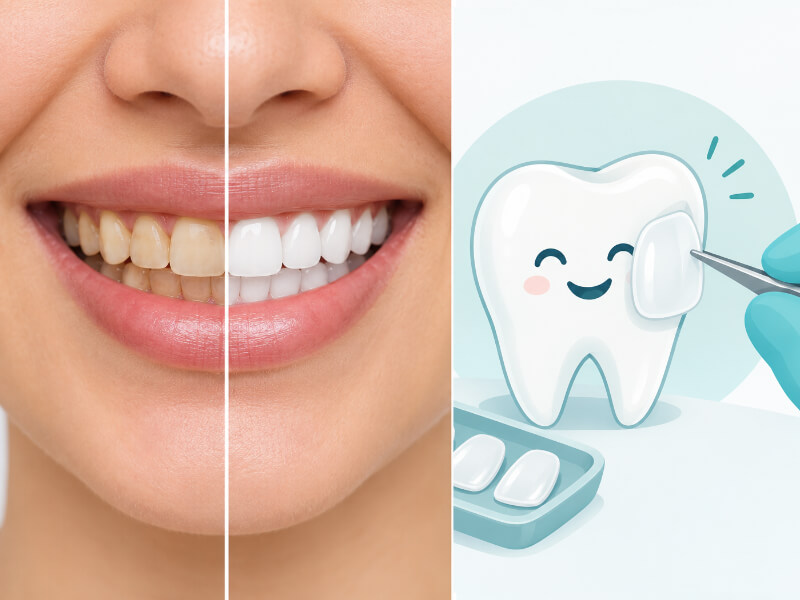
Ceramic veneers are thin, custom-made shells bonded to the front surfaces of your teeth. Usually made from high-quality porcelain, they are designed to improve the colour, shape, size and overall appearance of your smile.
Unlike treatments that replace an entire tooth, veneers cover only the visible front surface. This makes them particularly useful for cosmetic improvements when the underlying teeth are reasonably healthy.
At Today’s Dental in Edgecliff, Sydney, we offer cosmetic veneer options tailored to individual smiles. Our cosmetic veneers service explains the available options and how treatment can help you achieve a more balanced, natural-looking result.
Ceramic veneers are popular because they offer several benefits:
- Natural appearance: Ceramic reflects light in a similar way to natural tooth enamel.
- Stain resistance: Porcelain is highly resistant to staining from everyday foods and drinks.
- Customised results: Your veneers can be designed to complement your facial features and existing teeth.
- Long-lasting improvement: With proper care, porcelain veneers can last 10 to 15 years or longer.
The important thing to remember is that veneers improve the visible appearance of teeth. They don’t automatically treat every underlying dental problem.
1. Chipped, Cracked or Worn Teeth
A small chip in a front tooth may not affect your ability to chew or speak but could definitely be distracting while you smile. Likewise, the wear and tear of teeth can also be rather noticeable while you smile.
This is one problem area where dental ceramics come into play. A veneer can effectively cover a small chip, provide a better shape to an uneven edge or help a worn-down tooth regain consistency.
For instance, there is a small chip in one of your front teeth which has been bothering you for years. In case your tooth is in good health and the damage is suitable for veneer treatment, the veneer may be able to blend it with the surrounding teeth.
Not all cracked or chipped teeth, however, are candidates for veneer treatment. A tooth with a deep crack or with significant damage would need something else, like a crown or any other restorative dental treatment. In case the damage has caused nerve damage, root canal treatment may also be required.
First, the extent of damage must be known along with its possible solutions. That’s why it’s important to have your tooth checked by a dentist first. They can assess the damage properly and recommend a treatment that will protect your tooth, not just improve its appearance.
2. Yellow or Stubbornly Stained Teeth
Sometimes, despite regular brushing and proper care of your teeth, you do not achieve the desired color. There are some types of stain that will be hard to get rid off whitening procedures because discolouration occurs inside of the tooth.
Porcelain veneers will hide all types of visible discolourations and create a more even and brighter smile. This might help in case whitening procedures are unlikely to help.
One more desirable result of this procedure is high resistance of the porcelain to daily staining. You can eat your favorite breakfast or food and drink morning coffee without being afraid.
However, there is one thing you need to consider. Porcelain veneers will not lighten up the color of your natural teeth under them. After the procedure has been done, the color of the veneers cannot be changed by regular whitening procedures.
If discolouration consists only of yellowing of your teeth, then it might be better to use professional teeth whitening procedures. In this way, you may avoid veneering.
Your dentist can help you compare the options and decide whether covering the discolouration makes sense for your teeth.
3. Small Gaps Between Teeth
Spaces between the front teeth are very common. Some people are satisfied with their gaps, while others would like to have a more proportional smile.
The ceramic veneers are capable of closing the gaps by modifying the width and shape of the teeth. In cases where the gap is relatively small, this approach could help make the smile more balanced without altering the teeth appearance dramatically.
However, there is one significant drawback of this approach. As the gap becomes bigger, the procedure requires careful planning. Otherwise, the widened teeth may look unnatural due to their increased size.
It is essential to figure out the cause of the gap formation. It may be caused by tooth movement and some other factors related to the bite. Therefore, if the patient wants to have a long-lasting result, the ceramic veneers are likely to be an inappropriate choice of the initial treatment.
Another method that should be considered is the clear aligners. They could be used to move the teeth into a more favorable position.
Which treatment is preferable? It is hard to say. It all depends on the gap size and the bite.
4. Slightly Crooked or Overlapping Teeth
Can veneers make crooked teeth look straight? Indeed, there is one key difference between changing the appearance of the teeth and moving them around.
There are dental veneers made of ceramics that can be used to change the appearance of slightly misaligned or overlapping teeth. This procedure is known as cosmetic straightening.
It is true that dental veneers can help you have a more even smile if you have some imperfections. But they will not move the teeth from their places and fix an existing bite problem.
In case of serious crowding, rotating or overlapping of teeth, orthodontic treatment might be recommended. For example, you can consider using clear aligners to move the appropriate teeth.
What is the catch? It is possible to damage more of your teeth enamel trying to mask a problem. It can also result in teeth that look bulky rather than natural.
At Today’s Dental, the aim is to find a treatment that suits your smile while taking care of your long-term dental health.
5. Uneven Tooth Shapes and Sizes
Teeth are not all formed the same. One may have a front tooth that is shorter than another, or a tooth that is narrower than what is considered normal, or teeth that are not properly aligned.
Such imperfections are small, but they may contribute to the overall aesthetic of the teeth.
Ceramic veneers can help in creating a more balanced appearance of the affected teeth by changing their shape, length and proportions.
This will not mean that all teeth will look the same as each other. It means that the final result should look natural and complement your facial features.
Ceramic veneers can be especially helpful in the case when multiple imperfections need to be addressed at once.
For example, one may require improvement in the shape of the front teeth as well as gaps and discolouration. Having a custom-made plan will be beneficial here.
6. Visible Fillings and Other Cosmetic Imperfections
Are you seeing an old filling in one of your front teeth become more noticeable over time? It might not be the same colour as the rest of your tooth anymore, or it might be uneven.
There are some instances where a ceramic veneer may help in improving the appearance of your teeth with a noticeable filling. Nonetheless, having a veneer as a solution does not always mean that it is the best course of action for treating an old restoration.
When there is a problem with the old filling such as leakage or decay, it needs to be taken care of first before considering the options. It may be that all you need is just a replacement of your old filling.
It all depends on the overall condition of the tooth.
What Dental Veneers Cannot Fix
It’s possible to get excellent cosmetic results with ceramic veneers, but there are some things you have to know about their limitations.
- A significant amount of decay: You have to treat your cavities before starting any kind of cosmetic work.
- Gum disease: The inflamed gums should be properly treated before putting cosmetic veneers.
- Severe misalignment or malocclusion: You can only change the appearance with veneers, but you can’t improve the alignment of your teeth.
- Serious structural damage: If you have a cracked or damaged tooth, you will likely need a crown.
- Tooth loss: Veneers can’t replace lost teeth. Your dentist might suggest getting dental implants.
- Teeth grinding and clenching: It will damage your ceramic veneers. The dentist will suggest how to stop this issue.
- Active infection or an untreated toothache: The source of your problem has to be identified and resolved.
The other thing we have to talk about is the fact that ceramic veneers usually require removing your enamel. This means treatment is generally irreversible, and the veneers may eventually need replacement.
At Today’s Dental, we encourage patients to understand these factors before committing to treatment. A beautiful smile should also be a healthy, functional smile.
Are Ceramic Veneers the Right Choice for You?
If you’re considering veneers, start by thinking about what you’d like to change. Is it the colour of your teeth, a small gap, a chipped edge or the overall shape of your smile?
Your answers will help guide the consultation, but a proper dental examination is essential. Your dentist will assess your teeth, gums, bite, enamel and any existing dental work before recommending a suitable option.
It’s also worth exploring alternatives. Professional whitening may be enough for discolouration, clear aligners can address many alignment concerns, and composite bonding may suit smaller cosmetic repairs.
Ceramic veneers are often a strong option when you want to address several cosmetic concerns at once and prefer a durable, natural-looking finish. The right treatment, however, is the one that meets your needs without compromising healthy tooth structure unnecessarily.
Ready to Feel More Confident About Your Smile?
You don’t need to know exactly which treatment you need before speaking with a dentist. You simply need a clear idea of what you’d like to improve and a willingness to explore your options.
At Today’s Dental in Edgecliff, Sydney, we can assess your smile, discuss your concerns and help you understand whether ceramic veneers or another cosmetic treatment is the right fit.
Explore our cosmetic veneers service to learn more about porcelain, composite and no-preparation veneer options.
Ready to take the next step? Contact Today’s Dental to arrange a consultation and discuss your smile goals. Let’s find an approach that feels right for you, with honest advice and results designed around your natural smile.
FAQs
What dental problems can ceramic veneers fix?
Ceramic veneers can improve the appearance of chipped teeth, stubborn discolouration, small gaps, uneven tooth shapes, minor wear and slight misalignment. They’re designed for cosmetic improvements rather than treating underlying dental disease.
Can ceramic veneers fix crooked or overlapping teeth?
They can make mildly crooked or slightly overlapping teeth appear straighter. However, veneers don’t move teeth or correct your bite. Clear aligners or orthodontic treatment may be more appropriate for moderate to severe misalignment.
Can ceramic veneers cover yellow or severely stained teeth?
Yes, ceramic veneers can cover many types of yellowing and stubborn staining, including some stains that don’t respond well to whitening. However, the cause and severity of the discolouration need to be assessed before treatment.
Can ceramic veneers close gaps between teeth?
Yes, veneers can close small gaps by changing the visible width and shape of teeth. Larger gaps may require orthodontic treatment or a combination of approaches to achieve natural-looking proportions.
What dental problems cannot be fixed with ceramic veneers?
Veneers cannot treat tooth decay, gum disease, dental infections, missing teeth or significant structural damage. They also cannot correct major bite problems or move severely misaligned teeth. These concerns need appropriate dental treatment before cosmetic options are considered.